
How Singapore Rises as a Major Entry and Exit Point for Seafarers
How Singapore Rises as a Major Entry and Exit Point for Seafarers
Singapore— a place where thousands of ships converge from every corner of the globe. More than a port, it’s a crossroads of history, trade, and transformation—anchoring the journeys of seafarers and shaping the tides of global commerce.
History and Geography
Singapore, with a history dating back to its founding as a free port by Sir Stamford Raffles in 1819, has established itself as a prominent seafaring hub, playing a crucial role in international finance and hosting vital ports.
The country's worldwide interactions across centuries have led to its economic powerhouse status.
Though slightly larger than Metro Manila at 719 square kilometers, Singapore has transformed its compact footprint into a global gateway.
The strategic location of Singapore near major markets such as China, India, and Australia is enhanced by its deep natural harbors and sheltered waters, enabling seamless accommodation of some of the largest vessels globally.
Located at the tip of the Strait of Malacca—a vital artery in global shipping—Singapore benefits from naturally calm seas and strategically positioned coastlines that reduce the risk of weather disruptions and enable efficient anchoring, docking and turnaround.
These geographic features, combined with advanced port infrastructure, make Singapore an ideal transshipment hub where goods can be quickly transferred, stored, or rerouted across continents.
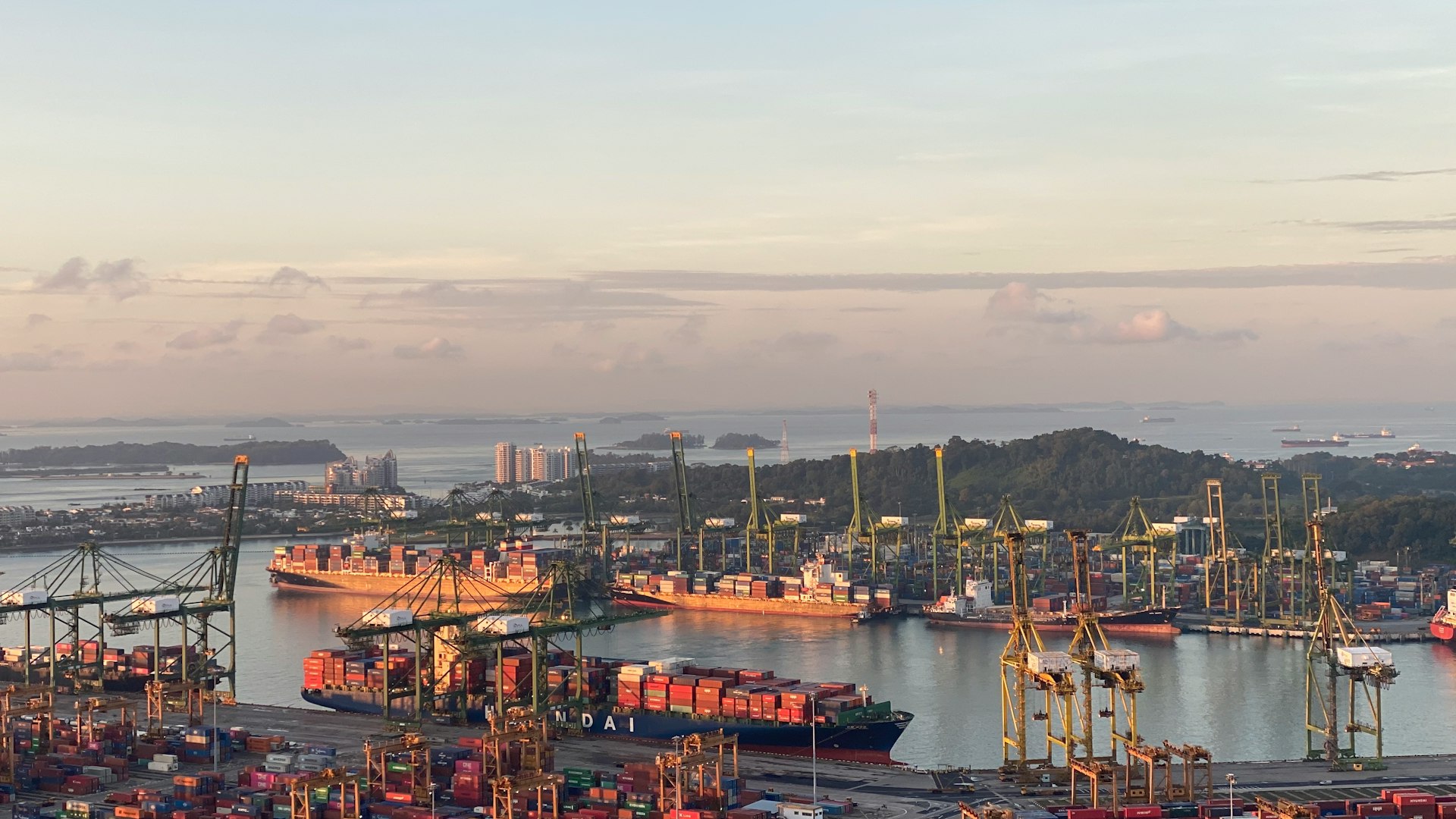
Since 1986, Singapore has maintained its status as the world's busiest port in terms of shipping tonnage, averaging approximately 140,000 vessel calls annually in recent years. It is the focal point for some 200 shipping lines with links to more than 600 ports worldwide. (Why Singapore Is Your Ideal Starting Point for Global Sea . . ., n.d.)
Even today, thousands of ships make port calls in Singapore. This is primarily due to the need for provisions after extended voyages, compliance with regulatory maintenance and inspection requirements, and facilitating crew changes.
Ease of Crew Change
Building on the efficient crew change processes in Singapore, it is important to note that some countries and cities pose significant logistical and bureaucratic challenges in this regard.
In China, for instance, seafarers often face strict procedures that require extensive documentation and in-person immigration checks—even before they’re allowed to sign off from the vessel.
In parts of West Africa, corruption and bribery can obstruct repatriation efforts, making it difficult for companies or crewing agencies to safely send their crew home.
Meanwhile, locations like Australia, the US, and EU countries and territories are known for their high transportation costs—both by sea and air.
Although the company typically covers these costs, some operators choose to reduce costs by diverting crew to ports that are more convenient, like Singapore.
This often results in extended contracts, with seafarers remaining onboard for six to ten months before finally disembarking.
This is what distinguishes Singapore: its proximity to major seafarer-supplying nations such as India, Indonesia, China, and the Philippines, coupled with its reputation for offering one of the most seafarer-friendly environments globally.
Immigration checkpoints in the nation offer quick clearance and entry, supported by digital systems and unambiguous protocols that reduce delays.
With zero tolerance for corruption, strong regulatory transparency, and a culture of efficiency, Singapore ensures that crew changes are not just convenient but humane, dignified, and safe.
Traveler-friendly Environment
Singapore offers a wide range of accommodations that cater to seafarers’ needs—from budget-friendly lodgings to internationally acclaimed hotel chains aligned with company allowances.
Many provide amenities like unlimited buffet meals, high-speed Wi-Fi, and restful rooms designed for recovery after long months at sea.
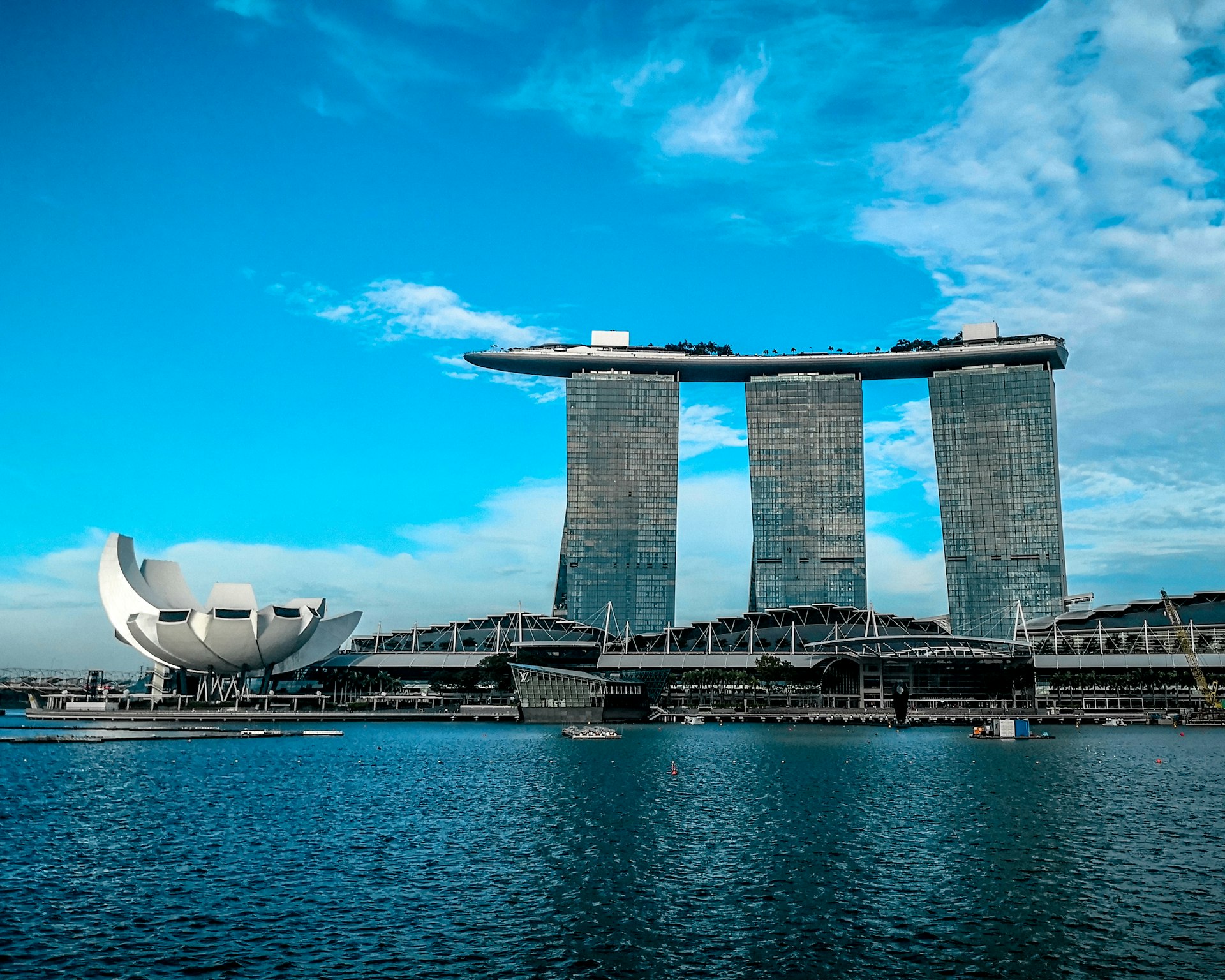
What enhances the experience is the city’s compact layout: most hotels are just a short taxi ride from iconic attractions like Marina Bay Sands, Gardens by the Bay, Merlion Park, and Universal Studios Singapore.
Whether it’s a quick bite of street food or a day exploring cultural landmarks, Singapore gives seafarers a rare chance to recharge in a safe, clean, and traveler-friendly environment.
When it comes to airport processes, Singapore’s Changi Airport consistently ranks among the most efficient and traveler-friendly in the world.
For seafarers, this means fast immigration clearance, well-organized crew handling protocols, and minimal wait times—even during peak hours.
With seamless connectivity to hotels, ports, and public transport, Changi ensures that arriving or departing crew experience comfort, speed, and dignity from the moment they land to the moment they board.
Conclusion
Singapore has become a major global entry and exit point for seafarers due to its strategic location along key shipping routes, proximity to major crew-supplying nations, and world-class port infrastructure.
Its efficient immigration and customs procedures, transparent regulations, and corruption-free environment ensure smooth and dignified crew changes.
With seamless airport connectivity, accessible accommodations, and a strong maritime ecosystem, Singapore offers a reliable, safe, and highly professional environment that consistently meets the needs of international seafarers and shipping companies alike.
Better Seafarer presents content based on the knowledge and experiences of seafarers, properly attributing it to academic and online sources, when applicable. Better Seafarer makes no claims about the accuracy, timeliness, compatibility, or validity of the content, and the website cannot be held responsible for any errors, losses, injuries, or damages that may arise from the use of the offered information. Only for instructional and learning purposes is the articles meant. For the most accurate and timely information, be sure to do your own research and reach out to the proper authorities.